High volume data processing
Large scale data processing
Efficient high volume data processing starts with the complete data path. Data acquisition, memory, interfaces, buffering and processing capacity must all keep pace with the incoming stream.
TOPIC designs these elements together to prevent bottlenecks from simply moving elsewhere in the system.
Processing close to the source
Moving every bit of raw data through a system is often inefficient. Processing information close to the source can reduce the amount of data that needs to be transferred or stored.
FPGA technology is well suited to parallel operations, while processors handle more dynamic tasks.
Combining both enables TOPIC to process multiple high-bandwidth streams efficiently in a complex embedded system.
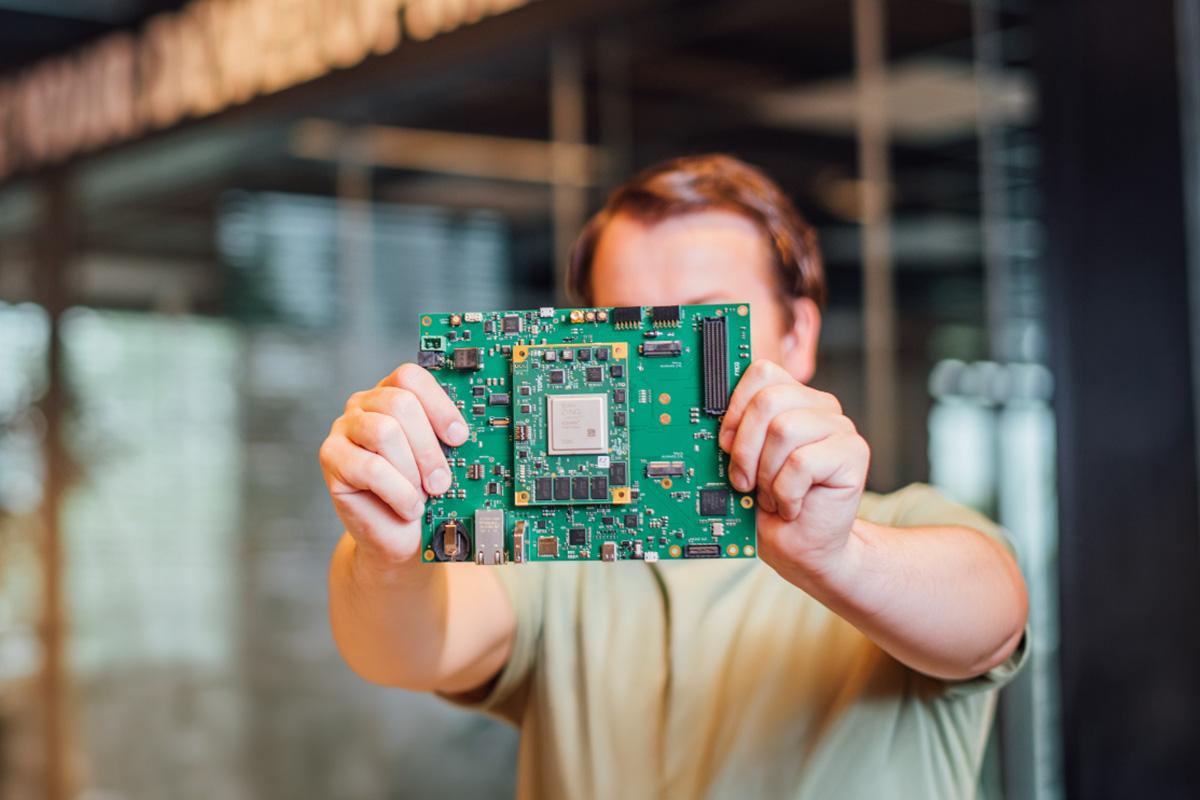
High volume data processing
Large scale data processing requires balance between processing resources, memory and connectivity.
PCIe, Ethernet, storage, processors and FPGA logic all need sufficient bandwidth for high speed processing.
TOPIC considers the complete data path, allowing workloads to be distributed effectively and unnecessary data movement to be reduced.
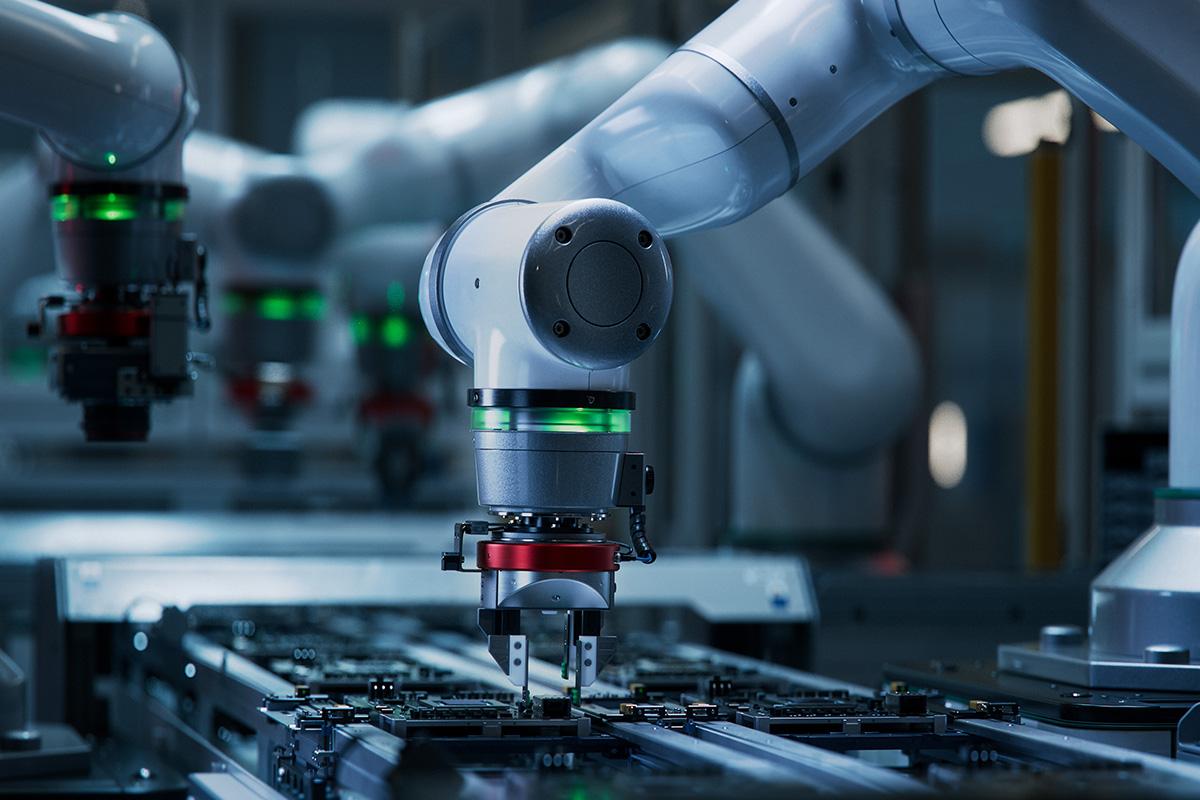
Scaling with growing data volumes
As data volumes increase, processing architectures need to scale without unnecessary complexity or power consumption.
By combining embedded software, FPGA development and high-performance hardware, TOPIC creates architectures for high volume data processing and large scale data processing that remain efficient as workloads grow.